The average age of passenger cars and light trucks on the road today has reached an all-time high, with millions of vehicles easily crossing the 200,000-mile mark. Modern automotive engineering produces remarkably durable engines, sophisticated transmissions, and corrosion-resistant body panels. However, a car’s capacity for long-term survival relies almost entirely on how it is treated by its owner.
Neglect is the single fastest way to transform a reliable vehicle into a financial money pit. Skipping minor maintenance items—such as regular oil changes, tire rotations, or cooling system flushes—creates a compounding chain reaction of mechanical wear. A neglected $15 belt can snap, causing thousands of dollars in engine damage; an ignored minor fluid leak can starve a transmission, leading to an immediate component breakdown.
Taking a proactive approach to vehicle ownership means shifting your mindset from reactive fixing to preventive preservation. By establishing simple, routine care habits, monitoring key wear indicators, and addressing subtle warning signs immediately, you can keep your vehicle running smoothly for years.
Whether you are driving a brand-new showroom model or looking to extract another decade of service from a reliable daily driver, this guide breaks down the essential practices required to maximize vehicle longevity while avoiding high repair bills.
Stick to Strict Fluid Change Intervals Beyond Basic Engine Oil
While most drivers understand the importance of changing their motor oil, other essential fluids are often completely overlooked until a major system fails. Motor oil, transmission fluid, engine coolant, brake fluid, and differential oils all suffer from chemical breakdown, thermal degradation, and contamination over time.
-
Motor Oil: Beyond basic lubrication, modern synthetic motor oil suspends microscopic soot particles and neutralizes combustion acids. When oil breaks down, it loses viscosity and forms harmful sludge, starving critical components like camshafts and turbocharger bearings of oil.
-
Transmission Fluid: Transmission fluid acts as both a lubricant and a hydraulic fluid that facilitates gear changes under extreme pressure and heat. Overheated transmission fluid loses its friction properties, causing slipping clutches and burned bands.
-
Engine Coolant: Coolant prevents water from freezing in winter and boiling in summer, but its crucial role is providing anti-corrosion additives to protect aluminum engine blocks and radiators. As these additives deplete, internal rust and electrolysis can eat away at head gaskets and heater cores.
-
Brake Fluid: Brake fluid is hydroscopic, meaning it actively absorbs moisture from the surrounding atmosphere. Water contamination lowers the boiling point of the fluid—leading to a spongy pedal under heavy braking—and corrodes expensive ABS hydraulic modules from the inside out.
Beyond motor oil, establish a calendar routine to drain and refill your transmission fluid, cooling system, and differential lubricants every 30,000 to 60,000 miles, depending on your manufacturer’s severe-service schedule.
Build a 5-Minute Monthly Inspection Routine Under the Hood
You do not need to be a professional mechanic to catch early warning signs of wear under the hood. Establishing a quick monthly routine can help you catch small issues before they escalate into major failures on the open road.
With the engine cold and parked on a level surface, pull the oil dipstick, wipe it clean, reinsert it, and verify that the level sits precisely between the full and low markings. Check the clear plastic reservoirs for coolant, brake fluid, and power steering fluid to confirm levels are within normal operating ranges.
Look carefully for subtle signs of leakage, such as dark oily residue around valve covers, dried colorful crust around radiator hoses, or fluid pooling on the engine splash guard. Inspect serpentine belts for fine cracks, fraying edges, or uneven glazing, which indicate tensioner failure or impending belt snapped conditions.
During routine oil service, establish an ongoing relationship with a trusted local auto repair shop to perform digital vehicle inspections. Professional technicians can put your car on a lift, check for subtle play in suspension bushings, measure brake pad thickness, and spot small leaks that are impossible to see from above.
Maintain Precise Inflation Pressure and Strict Rotation Schedules
Tires are often treated as simple rubber hoops, but they are highly engineered safety systems. Driving on improperly inflated or misaligned tires severely reduces fuel economy, degrades handling precision, and causes premature, uneven tread wear.
-
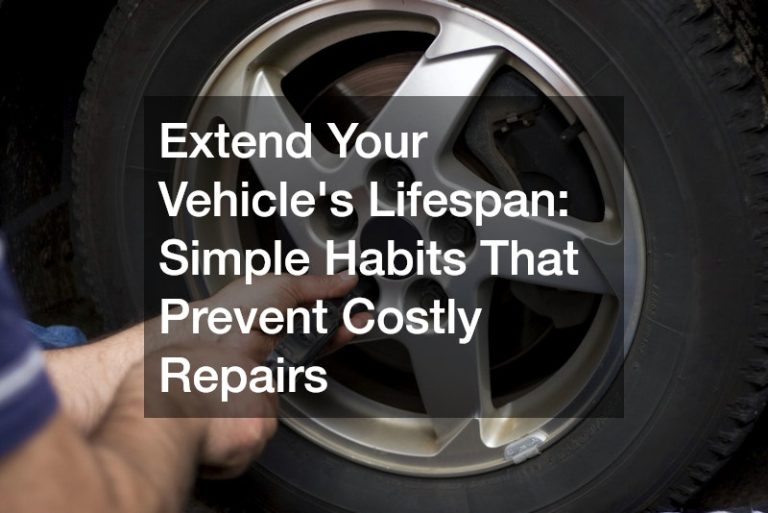
Check Inflation Monthly: Tire pressure drops naturally over time and fluctuates significantly with ambient temperature changes (roughly 1 PSI for every 10-degree drop in temperature). Underinflated tires generate excessive internal heat, which causes tread separation and sidewall blowouts.
-
Execute Strict Rotations: Front tires handle the majority of steering inputs, weight transfer under braking, and—in front-wheel-drive vehicles—power delivery. Rotating tires every 5,000 to 7,000 miles ensures all four tires wear down at an equal rate, maximizing overall tread life.
-
Maintain Wheel Alignment: Running over potholes, curb strikes, and rough roads gradually knocks wheel alignment angles (camper, caster, and toe) out of specification. Misalignment causes tires to drag sideways across the pavement, destroying expensive tread within a few thousand miles.
Plan to invest in new tires when your remaining tread depth drops down to 4/32 of an inch. Driving on worn-out tread severely compromises wet-weather traction, dramatically increases stopping distances, and subjects your wheel bearings to harsh impact forces from bare road surfaces.
Recognize Early Warning Signs of Suspension and Alignment Shift
Your vehicle’s shocks, struts, ball joints, control arm bushings, and tie-rod ends work continuously to isolate the chassis from road impacts while keeping tires firmly planted on the pavement. As these parts wear down, they place excessive physical stress on surrounding components.
Pay close attention to how your car behaves over bumps and through corners. A steering wheel that pulls to one side on a straight road indicates an immediate alignment issue. Excessive bouncing over dips, noticeable nose-diving under braking, or clunking sounds when driving over low-speed bumps are signs that your shocks or control arm bushings have degraded.
Heavy-duty commercial vehicles, work trucks, and large towing rigs place immense stress on their front-end assemblies due to heavy payload weights and rough terrain. When steering wobbles or severe vibrations develop in larger vehicles, seek out dedicated local truck tire repairs immediately. Addressing heavy-duty tire imbalances and tie-rod play right away prevents catastrophic failure of heavy steering linkages and protects expensive commercial wheel assemblies.
Smooth Out Braking and Acceleration to Reduce Mechanical Strain
Adopting a smooth, smooth-flowing driving style is one of the easiest ways to prolong the life of your engine, transmission, and braking systems without spending a single dollar.
-
Avoid Hard Acceleration on Cold Starts: When an engine sits overnight, oil drains down into the oil pan. On a cold morning, it takes several seconds for oil pressure to build and circulate to upper valve trains. Driving aggressively on a cold engine causes accelerated metal-on-metal friction before components reach operating temperature.
-
Master the Art of Coasting: Anticipate traffic flow far ahead. Instead of accelerating up to a red light and slamming on the brakes, lift off the accelerator early and allow engine braking to slow the vehicle down naturally. This practice drastically reduces brake pad wear and rotor warping.
-
Stop Completely Before Shifting: Shifting from Reverse to Drive while the vehicle is still rolling backward puts immense shock loads on transmission clutches, CV axles, and engine mounts. Always come to a complete standstill before changing gear directions.
Avoid letting your vehicle idle for extended periods in cold weather. Modern fuel-injected engines warm up significantly faster and more efficiently when driven gently right after startup rather than sitting at idle for twenty minutes.
Prepare for Unexpected Breakdowns and Prevent Roadside Stranding

Despite meticulous preventive maintenance, road hazards, sudden battery failures, or nail punctures can happen to anyone. How you handle these roadside events directly impacts both your personal safety and your vehicle’s mechanical integrity.
Carrying a basic emergency kit in your trunk is an essential part of responsible vehicle ownership. This kit should include a heavy-duty jump-starter pack, an accurate tire pressure gauge, a portable 12V air compressor, a bright flashlight, basic hand tools, and high-visibility safety triangles.
If you experience a flat tire or engine overheating event on a busy highway, driving on a flat rubber rim or running an overheated engine to reach the next exit can turn a simple repair into a complete engine rebuild or wheel destruction. Maintain an active roadside policy or keep contact information handy for an emergency road service provider. Having a professional tow truck safely winch your vehicle onto a flatbed prevents secondary frame or drivetrain damage when moving an disabled car off a busy roadway.
Shield Exterior Paint and Undercarriages from Environmental Decay
Your vehicle’s paint system is not merely cosmetic; it is a clear-coated protective shield designed to keep moisture, road salt, and atmospheric oxygen from rusting bare sheet metal underneath.
-
Wash Away Road Salt Promptly: Winter de-icing chemicals are extremely corrosive. They cling to undercarriages, suspension arms, brake lines, and rocker panels, causing rapid rust formation. Wash your undercarriage frequently with fresh water throughout winter months.
-
Remove Biological Contaminants Immediately: Bird droppings, tree sap, and crushed insects contain harsh organic acids. If left on paint exposed to hot sunlight, these acids quickly etch through clear coat layers, leaving permanent stains and exposed paint boundaries.
-
Apply Protective Sealants: Apply a high-grade synthetic sealant or paste wax at least twice a year to create a sacrificial barrier against UV rays, acid rain, and road grime.
For drivers looking for durable, long-term exterior preservation, applying high-quality car wraps or paint protection films creates an impenetrable physical layer over vulnerable front bumpers, hoods, and side mirrors. These durable films absorb stone chips, resist chemical etching, and preserve original factory paint underneath, retaining vehicle value for years.
Repair Minor Scratches and Dents Before Corrosion Takes Hold
Minor parking lot dings, shopping cart scrapes, and small fender benders are virtually inevitable over years of daily driving. However, ignoring minor paint breaches allows rust to gain a foothold.
Once moisture penetrates beneath damaged clear coat or paint layers, rust begins to spread silently beneath the painted surface. What starts as a tiny surface scratch can quickly turn into bubbling paint and structural perforation within two or three winter seasons.
Whenever your vehicle sustains minor denting or paint disruption from a minor parking lot mishap, address it promptly. Consulting experienced car body repair specialists allows you to pull minor dents, treat raw metal with anti-corrosion primers, and blend paint seamless. Sealing panel damage right away stops rust before it spreads through underlying structural panels.
Tailor Your Maintenance Strategy to Complex European or Asian Engineering
Imported vehicles often feature advanced engineering, tightly packed engine bays, and highly specific fluid requirements. Attempting to maintain these vehicles using generic domestic parts or universal fluids can lead to premature component failure.
-
Use Exact OEM Spec Fluids: European and Asian manufacturers engineer their engines and transmissions to strict internal fluid specifications. Using a universal “multi-vehicle” fluid instead of the exact factory-approved specification can damage delicate variable valve timing solenoids and internal clutch packs.
-
Respect Complex Service Schedules: Many imported cars feature strict condition-based service systems. Ignoring warnings for brake fluid flushes, spark plug replacements, or timing belt intervals can cause costly engine interference failures.
-
Utilize Specialized Diagnostic Equipment: Modern import vehicles rely on deep electronic networks with dozens of interconnected modules. Properly diagnosing subtle electrical or powertrain faults requires factory-level diagnostic software.
When servicing complex imported machinery, take your vehicle to a specialized foreign auto repair service. Technicians who work exclusively on specific import brands understand the nuanced engineering quirks, common failure modes, and precise torque specifications required to keep these high-strung vehicles running reliably.
Recover Correctly from Collisions and Maintain Pre-Owned Vehicles

Extending a vehicle’s lifespan also means managing unexpected major events, such as collision repairs or integrating pre-owned vehicles into your family garage.
If your vehicle is involved in a moderate accident, improper towing or incomplete repairs can ruin an otherwise saveable car. Immediately after an impact, call reputable towing companies that use flatbed tow trucks. Dragging an all-wheel-drive or damaged vehicle with traditional hook-and-chain equipment can ruin transfer cases, suspension linkages, and bumper covers.
Once transported, take the car directly to certified auto collision shops. Modern vehicles feature complex Advanced Driver Assistance Systems (ADAS)—including radar units, lane-departure cameras, and blind-spot sensors—integrated directly into bumpers and windshields. Collision experts use specialized frame-aligning equipment to ensure the unibody structure is square and recalibrate delicate safety sensors so protective systems function correctly.
For drivers maintaining pre-owned used cars, long-term success comes down to establishing a baseline maintenance history immediately after purchase. Unless the previous owner provided verified, documented dealer receipts, assume all fluids, filters, belts, and spark plugs are due for replacement. Performing a complete baseline service gives you a clean slate, ensuring no hidden maintenance debt threatens your vehicle’s long-term health.
Your Long-Term Vehicle Preservation Checklist
Keeping your vehicle on the road for 200,000 miles or more does not require mechanical expertise—it simply requires consistency, attention to detail, and a commitment to preventive care.
By treating your vehicle as a valuable long-term asset rather than a disposable appliance, you avoid the high cost of premature vehicle replacement, skip expensive monthly financing payments, and enjoy a safe, reliable vehicle for years to come.
To build a reliable schedule, divide your routine into manageable milestones. Every month, inspect under-hood fluid levels, measure cold tire pressures, and wash away road salt or accumulated grime. Every 5,000 to 7,000 miles, change your engine oil and filter with high-grade synthetic fluids, rotate your tires for even tread wear, and visually inspect your brakes, belts, and suspension bushings. Finally, every 30,000 to 60,000 miles, plan to drain and refill your transmission fluid, differential gear oil, and coolant, flush your brake fluid, and replace air filters and spark plugs as specified by your owner’s manual.
Start today by checking your tire pressures, inspecting your fluid levels, reviewing your manufacturer’s recommended maintenance schedule, and booking your next routine checkup with a qualified technician. Small efforts made today pay massive dividends over every mile ahead.
About the Author