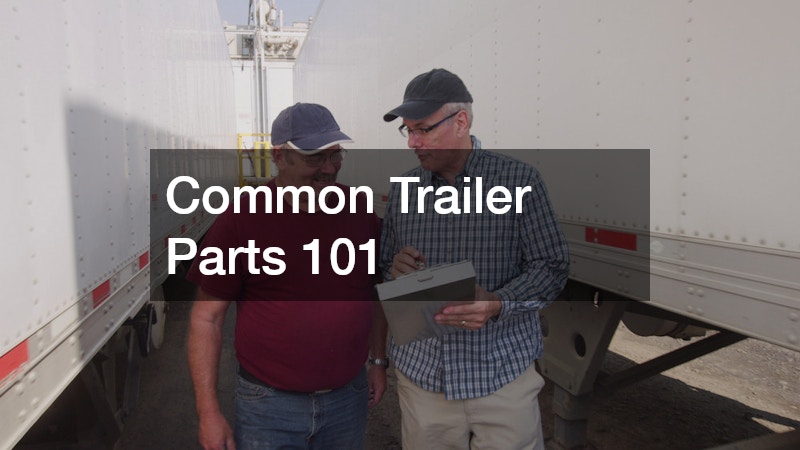
Trailers are essential tools for transporting goods, equipment, and vehicles safely and efficiently. Whether you’re a professional hauler or a weekend warrior, understanding the different components that make up a trailer is important for proper maintenance, safety, and performance. From basic utility trailers to heavy-duty enclosed units, knowing the essential trailer parts can help you troubleshoot issues, prevent breakdowns, and extend the life of your trailer.
The Frame
The frame is the backbone of any trailer. It supports the load and connects all the other components.
Most frames are made of steel or aluminum, providing strength and durability while remaining lightweight enough for towing. Regular inspections of the frame are crucial, as cracks, rust, or bending can compromise the structural integrity of the trailer. For trailers that carry heavy loads, reinforced or tubular frames are common to handle extra weight and stress.
Axles and Suspension
Axles are critical trailer parts that connect the wheels to the frame and bear the weight of the cargo. They are usually paired with a suspension system, which can include leaf springs, torsion axles, or air suspension setups. The suspension system absorbs road shocks, improves towing stability, and protects the trailer and cargo from damage. Regular maintenance, such as checking for worn bushings, bearings, and spring wear, ensures smooth operation and safer towing.
Wheels and Tires
Wheels and tires are the most visible trailer parts but are also among the most important for safe operation. Using the correct tire size and load rating is crucial, as underinflated or overloaded tires can lead to blowouts. Trailer tires differ from regular vehicle tires because they are designed to handle heavy loads for long periods at highway speeds. Checking tire pressure regularly and inspecting for cracks, punctures, or uneven wear will help prevent accidents and extend tire life.
Hitch and Coupler
The hitch and coupler are what connect the trailer to the towing vehicle. The hitch is mounted on the tow vehicle, while the coupler is attached to the trailer frame. They work together to allow safe movement and flexibility during towing. There are various types of hitches, such as ball hitches, pintle hitches, and gooseneck hitches, each designed for specific trailer applications. Ensuring that the coupler is properly secured, lubricated, and free of damage is essential for safe towing.
Braking System
Many trailers are equipped with braking systems to improve control and reduce stopping distances. Electric brakes, surge brakes, and hydraulic brakes are common, depending on the trailer size and weight. Trailer brakes work in coordination with the towing vehicle to prevent skidding and maintain stability. Regular inspection of brake pads, drums, wiring, and fluid levels helps maintain effective braking and prevents costly repairs.
Lighting and Electrical Components
Lighting is not just for visibility—it’s a legal requirement in most areas. Tail lights, brake lights, turn signals, and side marker lights keep your trailer visible to other drivers and help prevent accidents. Electrical wiring connects the trailer lights to the tow vehicle, and poor connections can lead to malfunctioning lights. Checking wiring for corrosion, loose connections, and proper grounding is essential. Some trailers also feature additional electrical components like reverse lights or electric winches, which require extra attention.
Coupling Accessories
Safety chains, breakaway systems, and other coupling accessories are essential components that add an extra layer of security. Safety chains provide a backup connection between the trailer and tow vehicle in case the coupler fails, while breakaway systems automatically engage the trailer brakes if it becomes disconnected. These small but vital trailer parts ensure you remain in control in unexpected situations.
Decking and Sidewalls
The decking is the surface that supports the cargo, and it can be made of wood, aluminum, or composite materials. Sidewalls and rails help secure the load and provide additional structural support. Some trailers feature removable side panels or ramps for easier loading and unloading. Regular inspection of the decking for rot, warping, or loose boards, as well as checking sidewalls for dents or cracks, helps maintain the trailer’s functionality and safety.
Tie-Down Points and Cargo Accessories
Tie-down points, such as D-rings or stake pockets, allow cargo to be secured safely during transport. Straps, chains, and other securing devices attach to these points to prevent shifting or falling loads. Many trailers also have built-in storage compartments, toolboxes, or winches to help manage cargo. Ensuring these accessories are in good condition and properly attached prevents accidents and damage to both the trailer and the cargo.
Understanding the different trailer parts is essential for anyone who regularly hauls cargo. From the frame and axles to the hitch, brakes, and lighting, every component plays a vital role in safety and performance. Regular maintenance and inspections of these parts can prevent accidents, reduce costly repairs, and extend the life of your trailer. Whether you’re using a small utility trailer or a large enclosed model, knowing the basics of trailer parts and how they function ensures smoother, safer towing every time. Taking the time to familiarize yourself with these components also makes it easier to identify issues early and keep your trailer in peak condition for years to come.
About the Author