Navigating The Technical World Of Professional Automotive Restoration Projects
Restoring a vehicle is far more than a simple mechanical overhaul; it is a meticulous reconstruction of history, engineering, and personal expression. Whether you are breathing life into a forgotten family heirloom or transforming a vintage shell into a high-performance restomod, the process requires a rigorous blend of technical discipline and creative vision. The journey from a rusted frame to a showroom-quality masterpiece is fraught with challenges that can overwhelm even the most seasoned enthusiast. Success lies in the ability to manage the “invisible” phases of the project—the structural integrity, the electrical synchronization, and the archival research—before ever reaching the rewarding stages of paint and upholstery.
This guide serves as a technical roadmap for navigating the complexities of professional-grade restorations. By breaking the process into distinct, manageable phases, you can ensure that every hour spent in the garage or shop contributes to a vehicle that is not only visually stunning but also safe, reliable, and durable for decades to come.
Phase One: Assessment and Structural Foundations
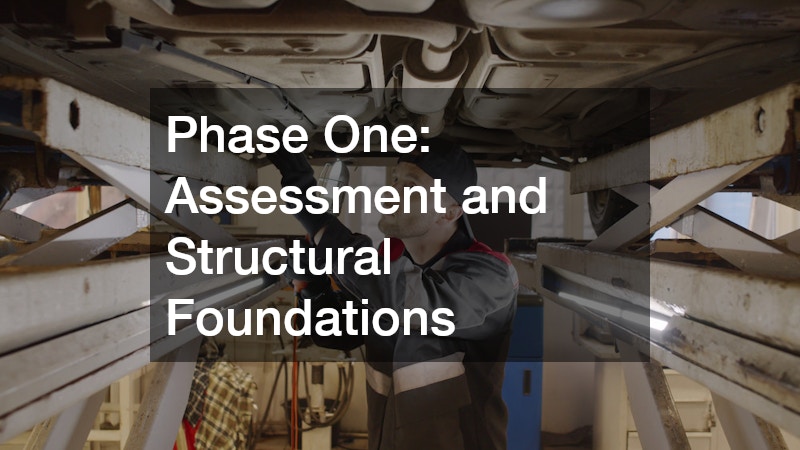
The first and most critical step in any project is an honest, clinical assessment of the vehicle’s current state. Many restoration attempts fail because the owner underestimates the level of decay hidden beneath layers of old filler or undercoating. Before a single part is ordered, the vehicle must be stripped to its core to reveal the true extent of the work required.
- The Disassembly Protocol:
Every component removed should be cleaned, tagged, and photographed. Digital documentation is a restorer’s best friend; having a visual record of how a wiring harness was routed or how a window regulator was seated can save dozens of hours during reassembly. - Media Blasting and Metal Health:
To see the true condition of the steel, the body should be stripped using appropriate media—walnut shells for delicate areas or sand for heavy frames. This process often reveals “Swiss cheese” floors or thinned-out quarter panels that were masked by previous repairs. - The Precision of Panel Alignment:
Once the metal is bare, the focus shifts to ensuring the car is “square.” This involves using frame racks to check for twists and then performing the necessary auto body repairs to ensure that gaps between doors, hoods, and trunks are consistent to within a few millimeters. - Authenticity vs. Availability:
For a true classic car restoration, the search for “New Old Stock” (NOS) parts can take months. Professionals often weigh the value of an original part against the structural superiority of a modern reproduction, especially when it comes to load-bearing components.
Phase Two: Mechanical Integrity and Security
Once the shell is structurally sound, the focus shifts to the “heart and lungs” of the vehicle. A restoration that looks beautiful but lacks mechanical reliability is merely a static sculpture. This phase integrates traditional mechanical skills with modern solutions for safety and security.
- Engine and Drivetrain Synchronization:
Modern restorations often involve “blueprinting” the engine—machining components to exact tolerances that far exceed the original factory standards. This ensures the engine runs smoother, cooler, and longer than it did the day it was first sold. - Modernizing Entry and Ignition:
After years of neglect, vintage locks are often seized or worn to the point of failure. Integrating professional locksmith services ensures that the ignition, door locks, and trunk all operate with a crisp, unified key system, often incorporating hidden modern security features for peace of mind. - Suspension Geometry:
Upgrading to polyurethane bushings, adjustable coil-overs, or rack-and-pinion steering can transform a vague, floaty vintage ride into a sharp, responsive driving experience. - The Critical Role of Unsprung Weight:
When selecting wheels, the restorer must consider more than just the diameter and style. The offset and backspacing are vital for ensuring that the tires do not rub against the newly finished fenders under heavy cornering or compression, while the material choice affects the vehicle’s rotational mass and braking efficiency.
Phase Three: Interior Ergonomics and Craftsmanship
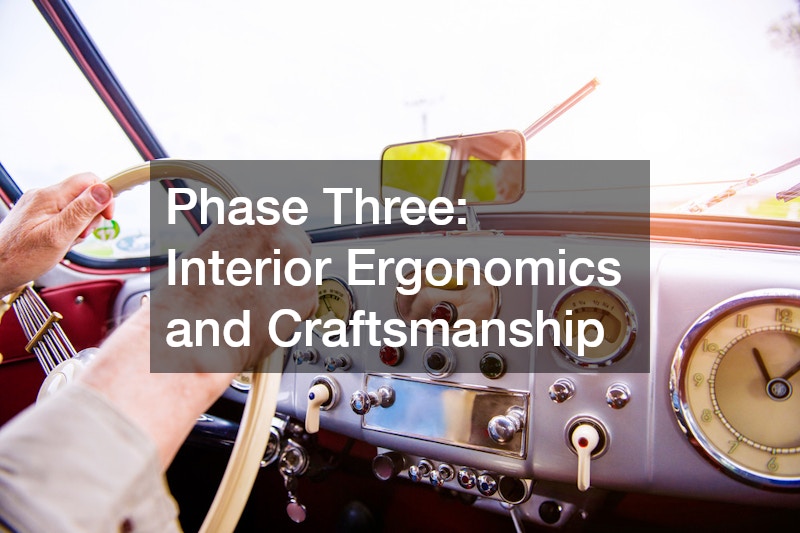
The interior of a vehicle is a sensory experience. It is the place where the driver interacts with the machine, meaning every surface must be both aesthetically pleasing and ergonomically sound. Modern restoration projects often seek to hide 21st-century comforts—like air conditioning and Bluetooth audio—within a period-correct cabin.
- The Foundation of Seating:
Restoration isn’t just about new fabric; it’s about the structure. Seat springs must be retensioned, and frames often require welding to fix stress cracks. Using modern multi-density foams can provide the lumbar support that was missing in mid-century designs. - Tailored Surfaces: Working with master trimmers allows for the installation of automobile upholstery that utilizes superior leathers or synthetics. These materials are chosen for their UV resistance and durability, ensuring the interior doesn’t fade or crack after a single summer of use.
- Climate and Sound Control:
Modern heat-shielding mats and butyl-based sound deadeners are applied to the floorboards and inside door skins. This “hidden” layer is what makes a restored car feel high-end, eliminating the tinny echoes and radiating engine heat common in older vehicles. - Instrumentation Restoration:
Rebuilding gauges often involves switching from old mechanical cables to electronic senders, providing more accurate readings for oil pressure and water temperature while maintaining the original needle-and-face appearance.
Phase Four: Specialized Utility and Off-Road Integration
For those restoring utility vehicles, such as classic trucks or early SUVs, the restoration goals often include ruggedness and modern capability, ensuring that these machines can handle contemporary traffic and off-road demands with ease. Because these vehicles were originally built as tools designed for heavy labor and utilitarian function, a proper restoration respects that heritage while adding layers of modern protection that prevent the metal fatigue and corrosion common in older workhorses. This process involves reinforcing the chassis to handle increased torque and installing advanced suspension components that provide a controlled ride without sacrificing payload capacity. By integrating high-performance seals, superior cooling systems, and corrosion-resistant coatings, the restorer preserves the rugged soul of the vehicle while upgrading its technical DNA. This balanced approach ensures the utility vehicle remains a dependable asset that honors its hardworking history through modern reliability and enhanced structural integrity.
- Protecting the Work Surface:
A vintage truck bed is prone to scratches and moisture traps. Applying a professional-grade bedlining provides a permanent, textured shield that prevents rust and allows the owner to actually use the truck without fear of damaging the restoration project. - Electrical System Upgrades:
Vintage wiring was never designed to handle modern high-draw components. A complete rewire with a modern fuse block is essential when adding aftermarket truck accessories like high-output winches, auxiliary LED lighting, or onboard air compressors. - Frame Reinforcement:
Trucks often require additional “boxing” of the frame to handle the increased torque of modern engine swaps or the stresses of off-road articulation. - Gearing for Modern Speeds:
Changing the differential ring and pinion sets allows a classic 4×4 to keep up with modern highway traffic without over-revving the engine, a common complaint with older “work” ratios.
Phase Five: Surface Perfection and Paint Preservation
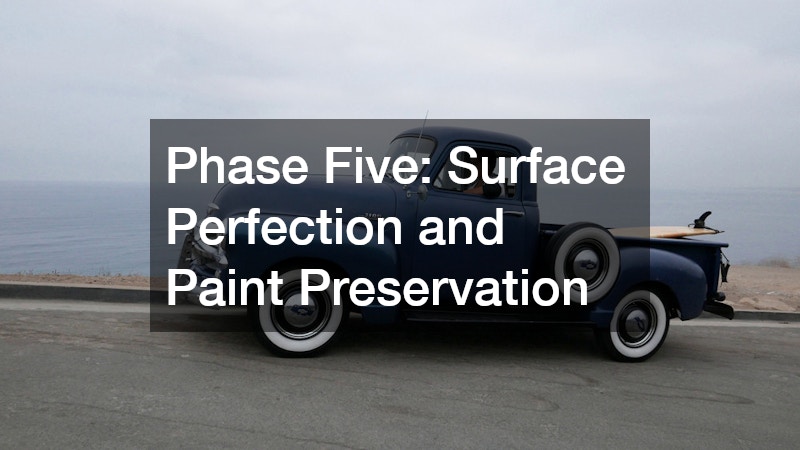
The paint phase is where the vehicle truly regains its soul, as the application of color and depth finally brings the structural metalwork to life. However, the “finish” is only as good as the hundreds of hours of sanding and blocking that preceded it, a labor-intensive process where every micro-imperfection is leveled to ensure the final surface is as flat as glass. Without this foundational dedication to body straightness, even the most expensive pigments will highlight flaws rather than hide them. In the modern restoration world, owners now have choices that extend beyond traditional liquid paint, allowing for a more customized approach to durability and aesthetic impact. This evolution in material science means that restorers can now select high-solids clears, advanced primers, and specialized protective layers that offer far greater resistance to UV damage and environmental oxidation than the factory finishes of decades past.
- The Multi-Stage Paint Process: This involves high-build primers, multiple “guide coats” to find imperfections, and finally, the base and clear coats. The clear coat is then wet-sanded with progressively finer grits and polished to a mirror shine.
- Reversible Aesthetics:
Some owners opt for a high-end vehicle wrap service instead of or in addition to paint. This is particularly popular for “tribute” cars or racing liveries, as it allows for a dramatic change in appearance while protecting the original metalwork from stone chips and debris. - The Science of Long-Term Gloss:
Once the surface is perfected, applying a ceramic coating creates a semi-permanent chemical bond that acts as a sacrificial layer. This technology makes the car easier to wash and protects the delicate finish from environmental fallout, bird droppings, and oxidation. - Brightwork and Trim:
Chrome plating and stainless steel polishing are specialized arts. Every piece of trim must be straightened and buffed to ensure that the “jewelry” of the car matches the quality of the paint.
Phase Six: Final Assembly and Long-Term Stewardship
The final phase of a restoration is the most meticulous, requiring a level of patience and focus that rivals the initial tear-down. This stage is defined by an uncompromising attention to detail, where every component is scrutinized for fit, finish, and mechanical harmony. It is the time for “nut and bolt” checks, a critical safety process where every fastener is torqued to exact specifications and marked to ensure nothing has been overlooked during the long assembly process. This phase also involves the careful integration of delicate trim pieces over fresh paint, a high-stakes task that requires steady hands and specialized protective tools to prevent any marring of the mirror-like finish.
This is where a project transitions from a collection of parts into a cohesive, functioning machine that moves and breathes as a single unit. It involves the fine-tuning of door latches, the centering of steering components, and the final routing of electrical looms to ensure a factory-clean appearance under the hood. Beyond the physical assembly, this stage includes the critical “shakedown” period, where fluids are monitored and heat-cycling tests are performed to verify that the cooling and oiling systems are perfectly sealed. By treating this final stage with the reverence it deserves, you transform a stationary restoration into a reliable, road-worthy vehicle that feels tight, responsive, and structurally sound from the very first mile.
- The Cleanroom Mentality:
During the final stages, the work area must be kept immaculate. Dust is the enemy of fresh mechanicals and interior surfaces. Professionals often employ automotive detailing services to perform a “surgical” clean of the engine bay and undercarriage before the final shakedown. - The Shake-Down Period:
A restored vehicle should never be considered “finished” until it has completed a rigorous testing cycle. This involves heat-cycling the engine, testing the brakes at various speeds, and checking every electrical circuit under load to ensure there are no “infant mortality” failures in new components. - Fluid Management:
Using high-zinc oils for flat-tappet cams or specialized coolants for aluminum radiators is vital for the longevity of the rebuilt mechanicals. - Documentation and Valuation:
The final step is a professional appraisal. A well-documented restoration, supported by a thick binder of receipts and photos, is an investment that needs to be properly insured to its full replacement value.
The Legacy of the Build

Successfully navigating a professional automotive restoration is a marathon of patience and precision, demanding a level of dedication that extends far beyond a typical mechanical repair. It requires the builder to look past the grease and decay to see the potential of the machine, visualizing the finished masterpiece while methodically addressing every compromised component. This transformative process necessitates a deep understanding of historical manufacturing techniques paired with modern diagnostic accuracy, ensuring that no shortcut is taken in the pursuit of perfection. Maintaining the discipline to fix things “the right way” rather than the fast way is what separates a high-end build from a temporary fix, as it involves stripping every bolt and refinishing every hidden bracket to prevent future failures.
When the foundation is strong, the mechanicals are synchronized, and the surfaces are protected, the result is more than just a car—it is a testament to engineering excellence and a preserved piece of history that functions with modern reliability. A truly successful restoration harmonizes the raw power of the past with the refined tolerances of today, creating a tactile driving experience that is both nostalgic and confidence-inspiring. By following a structured, technical approach that prioritizes longevity and safety, you ensure that the vehicle serves as a high-performing sanctuary of speed and style for the next generation of drivers to enjoy. This commitment to quality ensures the investment remains durable, allowing the vehicle to withstand the elements and the rigors of the open road for decades to come.
About the Author