Key Takeaways
- Restoration costs vary widely depending on the vehicle’s condition, rarity, desired finish, and the amount of labor required.
- Bodywork, paint, mechanical repairs, and replacement parts typically make up the largest share of the overall budget.
- Hidden expenses such as shipping, specialized tools, storage, and unexpected repairs should be included in your financial planning.
- Choosing a solid project vehicle and creating a detailed budget before starting can help prevent costly surprises.
- Combining do-it-yourself work with expert assistance for specialized tasks can balance quality and affordability.
- Not every restoration is a financial investment, but many projects deliver lasting value through improved reliability, personal satisfaction, and historical preservation.
Restoring a car is a rewarding journey that blends craftsmanship, engineering, and passion. Whether you’re bringing a beloved family heirloom back to life or transforming a neglected classic into a show-worthy vehicle, restoration requires careful planning and a realistic budget. While many enthusiasts begin a project expecting to spend a few thousand dollars, the actual cost can vary dramatically depending on the vehicle’s condition, the availability of parts, and the level of restoration you want to achieve.
Today’s restoration market is also influenced by rising labor costs, supply chain fluctuations, and increasing demand for vintage and collectible vehicles. Some projects can be completed on a modest budget, while others require an investment that rivals the cost of a new luxury car. Understanding where your money goes—and how to prioritize spending—can help you make informed decisions before purchasing a project vehicle or beginning work on one you already own.
This guide breaks down the major expenses involved in restoring a car today, explains what factors influence pricing, and provides practical advice to help you estimate your budget with greater confidence.
Why Do Restoration Costs Vary So Much?
Every restoration project is unique. Two cars of the same make and model can have vastly different restoration costs because their condition, history, and intended use are rarely identical. A vehicle stored in a dry garage for decades will typically cost much less to restore than one left exposed to the elements.
Beyond the car itself, restoration costs are shaped by market demand, labor availability, and the complexity of the work required. Custom modifications, rare replacement parts, and specialized craftsmanship all contribute to the final price. Understanding these variables helps explain why restoration estimates often range from just a few thousand dollars to well over six figures.
Starting Condition Makes the Biggest Difference
The overall condition of the vehicle determines how extensive the restoration will be.
For example:
- Minimal wear
- Cars with solid frames, healthy engines, and limited cosmetic damage require fewer repairs and less labor.
- Moderate deterioration
- Vehicles with rust, worn interiors, or mechanical issues typically need significant replacement parts and bodywork.
- Severe damage
- Cars suffering from extensive corrosion, collision damage, or missing components often require complete reconstruction.
Buying a cheaper project car may seem like a bargain, but extensive repairs can quickly erase any upfront savings.
The Type of Restoration Matters
Not every restoration aims for the same result.
Common restoration levels include:
Driver Restoration
Designed to produce a reliable, attractive vehicle suitable for regular driving. Cosmetic imperfections may remain, but mechanical reliability is the priority.
Factory Restoration
Every component is restored or replaced to match original factory specifications.
Show-Quality Restoration
This level focuses on perfection. Every detail—from paint finish to hardware placement—is meticulously recreated, often requiring hundreds or thousands of labor hours.
Restomod
Rather than maintaining originality, restomods blend vintage styling with modern technology, such as upgraded engines, brakes, electronics, and suspension systems.
Each approach requires a different budget and timeline.
What is the Average Price Range?
Before beginning a restoration, it helps to understand the broad pricing tiers commonly seen in today’s market. While every project differs, average cost ranges provide a useful starting point for planning and setting expectations. Keep in mind that these estimates generally include labor and materials but can increase if unexpected issues are discovered during disassembly.
Having a realistic budget also allows you to prioritize repairs, compare restoration shops, and decide whether a phased approach makes more financial sense than completing everything at once. Knowing where your project fits within these ranges can prevent costly surprises later.
| Restoration Type | Estimated Cost |
| Basic refresh | $5,000–$15,000 |
| Partial restoration | $15,000–$40,000 |
| Complete restoration | $40,000–$100,000+ |
| Show-quality restoration | $100,000–$250,000+ |
These estimates vary according to:
- Vehicle rarity
- Rust damage
- Parts availability
- Labor rates
- Desired finish quality
- Custom upgrades
Luxury classics and rare collector cars often exceed these estimates because replacement parts are harder to source.
Which Factors Have the Greatest Impact on the Budget?
Many people focus only on the purchase price of a project car, but that is often just the beginning of the financial commitment. Restoration involves dozens of individual tasks, each contributing to the overall investment. Some expenses are obvious, such as paint and engine repairs, while others—like specialized fabrication or hidden rust damage—may only become apparent once work begins.
Knowing which areas have the greatest influence on cost allows you to allocate your budget wisely and prepare for unexpected expenses before they derail your project.
Rust Repair
Rust remains one of the most expensive issues in any restoration.
Minor surface rust is relatively inexpensive to remove.
However, structural corrosion affecting:
- Floor pans
- Rocker panels
- Chassis rails
- Suspension mounts
- Firewall sections
may require cutting, welding, and fabricating new metal panels.
Severe rust damage alone can add several thousand dollars to the total project.
Engine Rebuilding
An engine rebuild varies depending on its condition.
Costs generally include:
- Machine work
- New pistons
- Bearings
- Gaskets
- Timing components
- Oil pump
- Water pump
- Cylinder head refurbishment
Performance upgrades increase costs even further.
Transmission Repairs
Manual and automatic transmissions both require specialized rebuilding.
Depending on complexity, repairs may involve:
- Gear replacement
- Synchronizers
- Clutches
- Torque converters
- Valve bodies
- Internal bearings
Suspension
Older suspension systems often require complete replacement.
Common components include:
- Springs
- Bushings
- Ball joints
- Tie rods
- Shock absorbers
- Control arms
Replacing worn suspension dramatically improves safety and driving comfort.
How Much Does Bodywork and Paint Cost?
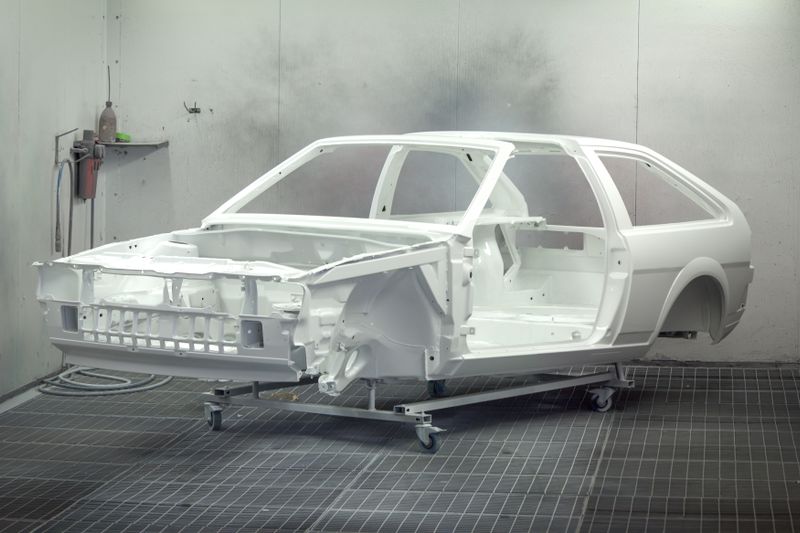
The visual appearance of a restored car often attracts the most attention, making bodywork and paint among the most significant investments in the entire process. Achieving smooth panels, consistent gaps, and a flawless finish requires extensive preparation, skilled craftsmanship, and high-quality materials. Even small dents or minor rust spots can add hours of labor before paint is ever applied.
While it may be tempting to choose the least expensive paint option, quality bodywork typically determines how impressive the final result looks years after the restoration is complete.
Body Repairs
Bodywork frequently includes:
- Dent removal
- Panel replacement
- Rust repair
- Metal fabrication
- Welding
- Surface preparation
Labor often exceeds material costs because each panel must be carefully aligned.
Paint Preparation
Preparation usually consumes more time than painting itself.
This stage includes:
- Sanding
- Priming
- Filling imperfections
- Masking
- Surface inspection
Skipping preparation often leads to peeling or uneven finishes later.
Paint Quality
Paint systems generally fall into three categories:
Economy Paint
Suitable for daily drivers and budget projects.
Mid-Range Paint
Offers improved durability, gloss, and color retention.
Premium Paint
Used for collector vehicles and concours restorations where flawless appearance is essential.
What Does It Cost to Restore the Interior?
The interior plays a major role in both comfort and value, especially if you plan to drive the vehicle regularly or present it at shows. Years of sunlight, moisture, and regular use can leave upholstery cracked, carpets worn, and dashboards faded. Restoring these components often requires specialized materials that match the vehicle’s original design.
Depending on the vehicle, interior work may range from replacing a few worn pieces to rebuilding the entire cabin. Careful attention to detail ensures the finished interior complements the quality of the exterior restoration.
Interior restoration may include:
- Seat upholstery
- Carpet replacement
- Headliner installation
- Dashboard restoration
- Steering wheel repair
- Door panels
- Window seals
- Interior trim
- Weatherstripping
Classic luxury cars generally cost more because reproduction materials are harder to obtain.
For owners seeking professional automotive restoration, interior craftsmanship is often just as important as mechanical performance, especially when preserving a vehicle’s originality and long-term value.
How Much Should You Expect to Spend on Parts?
Replacement parts are one of the largest variables in any restoration budget. While some components are widely available through aftermarket suppliers, others may only be found through specialty dealers, salvage yards, or private collectors. The rarity of the vehicle often determines how difficult—and expensive—it will be to locate authentic replacement parts.
Planning ahead can reduce delays and help prevent overspending. Researching availability before purchasing a project car is one of the smartest steps you can take, particularly for uncommon or discontinued models.
New Replacement Parts
New parts provide reliability but often cost more.
Common purchases include:
- Brakes
- Fuel systems
- Electrical wiring
- Cooling systems
- Rubber seals
- Fasteners
Used Original Parts
Original equipment parts may offer better authenticity but require inspection before installation.
Many enthusiasts search salvage yards or collector communities for hard-to-find components.
Reproduction Components
Manufacturers now produce reproduction parts for many popular classics.
These can reduce restoration costs while maintaining a factory-correct appearance.
Should You Restore the Car Yourself or Hire Professionals?
One of the biggest decisions in any restoration project is whether to tackle the work yourself or entrust it to experienced specialists. While a do-it-yourself approach can significantly reduce labor expenses, it also demands time, specialized tools, technical knowledge, and patience. On the other hand, hiring professionals often results in higher-quality workmanship and faster completion, but it comes at a premium.
The right choice depends on your experience, budget, available workspace, and restoration goals. Many successful restorations actually combine both approaches, allowing owners to save money on simpler tasks while leaving specialized work to experts.
Benefits of a DIY Restoration
Completing some or all of the work yourself can be rewarding in several ways.
Advantages include:
- Lower labor costs
Labor is often the largest expense in a restoration, so doing the work yourself can substantially reduce the overall budget. - Hands-on experience
You’ll gain valuable mechanical and restoration skills while developing a deeper understanding of your vehicle. - Flexible timeline
You can work at your own pace without being tied to a shop’s schedule. - Greater personal satisfaction
Driving a vehicle you’ve restored yourself offers a unique sense of accomplishment.
However, DIY restoration also comes with risks. Mistakes in welding, bodywork, or engine rebuilding can become expensive to correct later.
When Hiring Experts Makes Sense
Some restoration tasks require equipment and expertise that most hobbyists simply don’t have access to.
Professional help is often worthwhile for:
- Complex engine machining
- Transmission rebuilding
- Frame straightening
- Structural welding
- Custom paint application
- Electrical system rewiring
Although professional labor increases upfront costs, quality workmanship can improve reliability, safety, and resale value.
What Hidden Expenses Should You Plan For?
Many first-time restorers focus on the major costs like paint, engine work, and upholstery, only to discover numerous smaller expenses that gradually add up. These overlooked costs can easily exceed several thousand dollars over the course of a long restoration.
Building a contingency fund into your budget helps ensure the project continues smoothly, even when unexpected repairs or purchases become necessary.
Common Hidden Costs
Some frequently overlooked expenses include:
- Shipping fees
Large body panels, engines, and rare parts often carry significant freight charges. - Specialized tools
You may need engine hoists, welders, paint sprayers, or diagnostic equipment. - Storage costs
Long-term projects sometimes require rented garage or workshop space. - Registration and inspections
Vehicles that have been off the road for years may require additional paperwork before they can legally be driven. - Replacement hardware
Small items like clips, fasteners, gaskets, and seals may seem inexpensive individually but can become a surprisingly large expense. - Unexpected repairs
Problems hidden beneath paint or underbody coatings often aren’t discovered until disassembly begins.
Many experienced restorers recommend setting aside an additional 15% to 25% of your estimated budget for unforeseen expenses.
How Long Does a Restoration Usually Take?
Budget is only one part of the equation. Time is another major investment that many people underestimate. Even well-organized restoration projects can take months or years depending on the availability of parts, the amount of labor required, and how much work is being completed during evenings or weekends.
Understanding realistic timelines helps prevent frustration and allows you to plan your project more effectively.
Typical Restoration Timelines
Approximate completion times include:
| Restoration Scope | Estimated Time |
| Minor cosmetic restoration | 2–6 months |
| Partial mechanical restoration | 6–12 months |
| Complete restoration | 12–24 months |
| Concours-quality restoration | 2–5 years |
Delays often occur because of:
- Backordered parts
- Custom fabrication
- Shop scheduling
- Additional repairs discovered during disassembly
- Budget limitations
Patience is often one of the most valuable assets during a restoration.
Is Restoring a Car Worth the Investment?
The financial value of a restoration depends on your goals. If your objective is to make a profit, careful planning and market research are essential. Not every restored vehicle sells for more than the cost of the work invested.
However, many enthusiasts restore cars for reasons that extend beyond monetary return. Sentimental value, historical preservation, and the enjoyment of driving a unique vehicle often outweigh purely financial considerations.
Situations Where Restoration Makes Sense
A restoration may be worthwhile if:
- The vehicle has sentimental importance.
- It’s a rare or highly collectible model.
- Replacement vehicles are difficult to find.
- You plan to keep the car for many years.
- The project aligns with your hobby and personal interests.
Situations Where It May Not
Restoration may not be the best financial decision if:
- Repair costs greatly exceed the vehicle’s finished value.
- Extensive structural damage is present.
- Critical replacement parts are nearly impossible to source.
- Your budget cannot accommodate unexpected expenses.
Researching current market values before starting helps establish realistic expectations.
How Can You Keep Restoration Costs Under Control?

A successful restoration isn’t always the one with the largest budget. Careful planning, smart purchasing decisions, and disciplined project management can significantly reduce expenses without sacrificing quality.
Rather than rushing to buy parts or begin repairs, take time to evaluate the vehicle thoroughly and create a realistic roadmap before spending money.
Practical Ways to Save Money
Buy the Best Project Car You Can Afford
Paying more upfront for a solid, rust-free vehicle often costs less than repairing a severely deteriorated one.
Create a Detailed Budget
List expected expenses for:
- Bodywork
- Paint
- Mechanical repairs
- Interior restoration
- Replacement parts
- Tools
- Registration
- Contingency funds
Review and update your budget throughout the project.
Restore in Stages
Completing the project in phases makes large restorations more financially manageable.
Compare Multiple Suppliers
Shopping around for parts can reveal substantial price differences, especially for reproduction components.
Reuse Serviceable Parts
Cleaning and refurbishing original components may reduce costs while maintaining authenticity.
Common Mistakes That Increase Restoration Costs
Avoiding common pitfalls can save thousands of dollars over the course of a restoration.
Some of the biggest mistakes include:
- Buying the first project car without a thorough inspection.
- Underestimating rust damage.
- Failing to create a written budget.
- Purchasing parts before confirming compatibility.
- Ignoring mechanical issues in favor of cosmetic upgrades.
- Skipping documentation during disassembly.
- Rushing paint preparation.
- Choosing the lowest estimate without evaluating workmanship.
- Not leaving room in the budget for unexpected repairs.
Learning from experienced restorers and planning carefully can help you avoid these costly errors.
Frequently Asked Questions
How much does a complete car restoration usually cost?
A full restoration typically ranges from $40,000 to more than $100,000, although rare or highly collectible vehicles may exceed these figures.
What is the most expensive part of restoring a car?
Bodywork, paint, and labor generally account for the largest portion of the budget, particularly when rust repair or extensive fabrication is required.
Can restoring a car increase its value?
Yes, but it depends on the vehicle, the quality of the restoration, and current market demand. Some classic cars appreciate significantly, while others may never recover the full restoration cost.
Is it cheaper to restore a car yourself?
DIY restoration can reduce labor costs considerably, but mistakes, specialized tools, and extended timelines can offset some of the savings.
How should I budget for unexpected costs?
Many experts recommend adding a contingency of 15% to 25% above your initial estimate to cover unforeseen repairs, parts shortages, or labor adjustments.
Conclusion
Restoring a car is a significant undertaking that requires thoughtful planning, realistic budgeting, and a clear understanding of your goals. Costs can vary widely based on the vehicle’s condition, the scope of the restoration, the availability of replacement parts, and the level of craftsmanship you expect. While some projects can be completed for a modest investment, others demand extensive financial and time commitments.
Before beginning, carefully inspect the vehicle, research current market values, and prepare a detailed budget that accounts for both expected and unexpected expenses. Whether you’re reviving a cherished family classic, preserving automotive history, or building a vehicle you’ll enjoy for years to come, informed planning is the key to a successful restoration. By balancing quality, budget, and long-term value, you can make confident decisions and turn your restoration project into a rewarding achievement.
About the Author